

The European Union is on the verge of launching one of its most ambitious digital transformations to date: the European Digital Identity. More than just a technological upgrade, this initiative promises to redefine how individuals and businesses authenticate themselves, access services, and manage sensitive data across borders
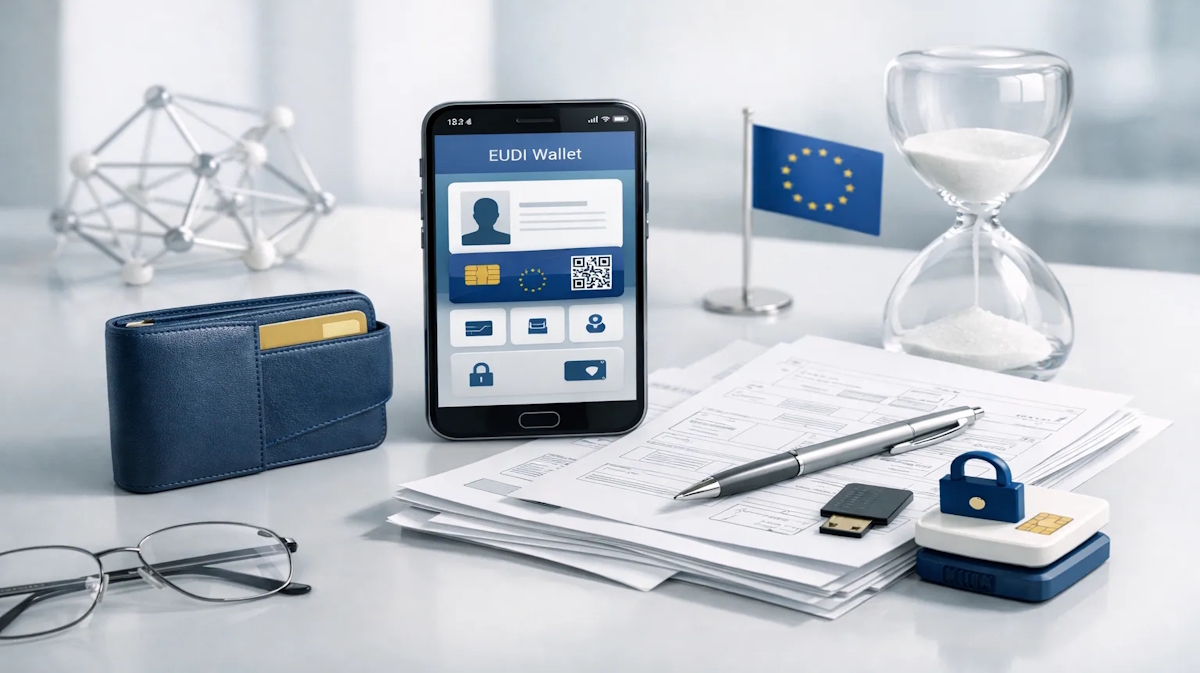
The European Union is in the process of implementing a transformative initiative that will redefine how citizens and residents interact with digital services and establish their identities across member states. By the end of 2026, the EU aims to have fully deployed the European Digital Identity (EDI), a secure, interoperable digital identification system embedded within a dedicated digital wallet. This Digital ID is intended to be universally accessible to all citizens, legal residents, and registered businesses within the European Union. Its development is part of the EU’s broader digital strategy to enhance digital sovereignty, reduce administrative friction, and foster greater trust in cross-border digital interactions within the internal market.
At the heart of this initiative is the European Digital Identity Wallet, a secure application that will be available on smartphones and other digital devices. This wallet is designed not only to authenticate the identity of the holder across public and private services throughout the EU, but also to serve as a repository for verifiable credentials and digital documents. Citizens will be able to use this wallet to store electronic identification data, travel tickets, professional qualifications, health records, bank account details, and even documents such as CVs. In addition, the wallet will support advanced functionalities such as qualified electronic signatures, thereby allowing users to sign legal documents remotely with full legal effect across EU member states. The wallet will be made available free of charge to individuals, while businesses and service providers will be required to comply with interoperability standards defined at the European level.
This ambitious deployment is grounded in the regulatory framework provided by eIDAS 2.0 (Electronic Identification, Authentication and Trust Services Regulation), a revised version of the original 2014 regulation. The updated regulation introduces mandatory requirements for all member states to offer at least one European Digital Identity Wallet by 2026, as well as obligations for private sector entities, such as banks, telecommunications operators, and digital platforms, to recognize and accept the EDI in relevant contexts. The legal harmonization brought about by eIDAS 2.0 is expected to significantly reduce cross-border barriers and establish a common trust framework for electronic identification and trust services across the continent.
From a technical and operational standpoint, the European Digital Identity is designed to adhere to the highest standards of privacy, security, and data minimization. One of the core principles underpinning the wallet is that users retain full control over their personal data. The architecture follows a decentralized model where authentication and verification are executed without the need to centrally store sensitive identity information. Users will be empowered to disclose only the specific attributes necessary for a given transaction, such as confirming age or residency, without exposing additional personal information. This selective disclosure capability is supported by cryptographic proofs and ensures compliance with the General Data Protection Regulation (GDPR), reinforcing user trust and data sovereignty.
The anticipated benefits of the European Digital Identity extend beyond convenience and efficiency. For public administrations, the EDI offers a significant reduction in operational costs associated with identity verification, document authentication, and citizen services. It will streamline interactions in areas such as tax filings, healthcare access, academic credential recognition, and digital voting. For businesses, the digital wallet is expected to reduce fraud, simplify onboarding procedures, and lower the administrative burden of compliance. Consumers, in turn, will benefit from more secure access to digital services, greater transparency in how their data is used, and increased confidence when engaging in cross-border transactions.
The European Commission has emphasized that the wallet will also serve as a powerful instrument in the fight against identity theft, online fraud, and counterfeit documentation. For instance, digital tickets for cultural or sporting events can be authenticated through the wallet, eliminating the risk of forgery. Additionally, the wallet will enable users to verify the trustworthiness of websites and applications through integrated trust indicators, thus improving cybersecurity and digital hygiene at the user level. One of the more advanced use cases includes the ability to open a bank account in another EU country by presenting a digitally verified national identity, streamlining a process that traditionally requires extensive physical documentation and in-person verification.
Extensive testing of the European Digital Identity Wallet began in 2023, with pilot programs across various member states and sectors. These pilots have continued through 2025, aiming to identify best practices, address implementation challenges, and validate cross-border interoperability. The results of these pilots will inform the technical specifications and compliance requirements that all wallet providers must meet. As a result, the EU expects to ensure a seamless, unified experience for users regardless of their country of residence or the services they access.
The introduction of the European Digital Identity represents a significant evolution in digital governance and civic infrastructure. By embedding secure, user-centric identification capabilities into daily digital interactions, the EU seeks not only to facilitate a more integrated digital economy, but also to establish a new paradigm of digital citizenship anchored in privacy, control, and trust. As the 2026 deployment deadline approaches, public awareness campaigns and legislative finalization efforts are intensifying to ensure a smooth transition and wide adoption across the Union. The successful implementation of this system is expected to reinforce the EU’s leadership in the global digital landscape, setting a precedent for democratic, interoperable digital identities in the 21st century.