

Every identity system is built on trust, even when that trust is never explicitly discussed. Users trust systems to recognize them correctly, protect their data, and make fair decisions based on identity. Understanding where this trust is placed and how it can be strengthened or reduced is essential to understanding how digital identity systems really work.
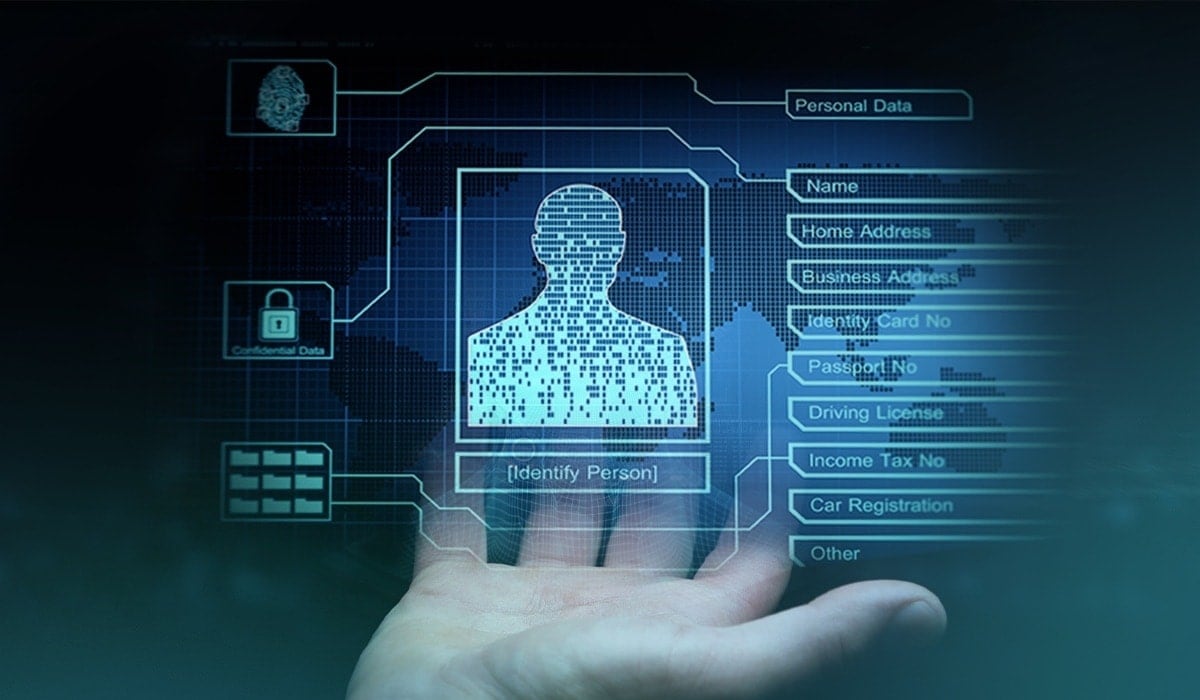
At the heart of every identity system lies trust. Whether we are aware of it or not, every time we log in to a service, present an ID, or share personal information, we are engaging in a trust relationship. Identity systems exist to answer a simple but critical question: can this system be trusted to correctly recognize someone and make decisions based on that recognition? Understanding how trust works, where it is placed, and how it can fail is essential to understanding digital identity as a whole.
What trust really means in identity systems
In everyday life, trust is often personal. We trust people based on experience, reputation, or social relationships. In digital systems, trust is different. It is mostly institutional and technical, not interpersonal. Users trust organizations, infrastructures, protocols, and rules rather than individuals.
In identity systems, trust means believing that:
- an identity claim is accurate,
- the system verifying it is reliable,
- and the data involved will not be misused.
This trust is rarely explicit. Most of the time, users are not actively choosing to trust a system; they are required to trust it in order to participate in digital life.
Trust as the foundation of identity verification
Every identity interaction depends on a chain of trust. When a system accepts an identity claim, it is effectively saying: I trust that this information is correct and meaningful. That trust can be placed in different places depending on the system design.
In traditional systems, trust is usually placed in a central authority. A government issues an ID, a company manages a user database, or a platform controls an account system. If the authority is trusted, the identity is accepted. If the authority fails, trust collapses.
A simple example is airport security. When you present a passport, the officer does not personally know you. Trust is placed in the issuing authority, the document format, and the verification process. Digital identity systems work in a similar way, but at much larger scale and speed.
Centralized trust and its limitations
Most existing digital identity systems rely on centralized trust models. A single organization acts as the source of truth for identity data. This model is efficient, but it concentrates responsibility and risk.
If the trusted authority is compromised, makes mistakes, or abuses its power, users have little recourse. Data breaches, system outages, or policy changes can instantly affect millions of people. Trust becomes fragile because it depends on the ongoing reliability and goodwill of a single actor.
This also creates a power imbalance. When one entity controls identity infrastructure, it effectively controls access to services, platforms, and opportunities. Trust is no longer mutual; it flows primarily in one direction.
Trust vs trustworthiness
An important distinction in identity systems is the difference between trust and trustworthiness. Trust is a belief. Trustworthiness is a property that can be evaluated.
Many systems ask users to trust them without providing meaningful evidence that they deserve that trust. Complex terms of service, opaque data practices, and limited transparency make it difficult to assess how identity data is handled. As a result, trust becomes an assumption rather than an informed decision.
In well-designed systems, trustworthiness is reinforced through technical guarantees, clear governance, and accountability mechanisms. Instead of asking users to trust blindly, systems should be designed to minimize the trust required in the first place.
Reducing trust through technology
One of the most important trends in modern identity systems is trust minimization. Rather than relying entirely on institutions, newer approaches use cryptography and verification mechanisms to reduce how much trust is needed.
For example, instead of trusting a service provider to store and protect identity data, a system can allow users to prove specific facts directly. Instead of trusting a platform to behave correctly, systems can rely on verifiable proofs and open standards. Trust shifts from organizational behavior to verifiable technical processes.
This does not eliminate trust, but it redistributes it. Trust moves away from centralized actors and toward transparent rules, protocols, and cryptographic evidence.
Trust, privacy, and proportionality
Trust is closely linked to privacy. When systems demand excessive identity data, they increase the cost of trust. Users must trust not only that the system will work, but that it will not misuse their personal information.
Proportionality is key. A system that only asks for what it truly needs is easier to trust than one that collects everything by default. For example, proving eligibility for a service should not require full identity disclosure if a single attribute is sufficient. Systems that respect proportionality tend to build trust more naturally.
Trust in large-scale digital societies
As digital systems scale globally, trust becomes harder to maintain. Users interact with systems across borders, cultures, and legal frameworks. Identity systems must operate reliably even when participants do not share the same institutions or assumptions.
In this context, trust cannot rely solely on reputation or regulation. It must be supported by interoperability, transparency, and resilience. Systems need to work even when trust between parties is limited, uncertain, or evolving.
Why trust determines the future of identity systems
Ultimately, identity systems succeed or fail based on trust. If users do not trust a system, they will avoid it, misuse it, or attempt to bypass it. If trust is misplaced, the consequences can be severe and long-lasting.
Understanding the role of trust helps explain why traditional identity systems are increasingly questioned and why new models emphasize user control, privacy by design, and verifiable trust. Identity systems are not just technical infrastructure; they are social contracts encoded in technology.
Designing identity systems for the future means designing for trust that is earned, limited, and justified. Not because trust is optional, but because in digital societies, trust is the currency that makes identity work at all.