

The traditional models of identity management are rapidly reaching their breaking point. Centralized systems, long accepted as the standard, now represent critical vulnerabilities in the face of escalating cyber threats, regulatory demands, and growing public concern over privacy. Decentralized Identity (DID) and Verifiable Credentials (VCs) are not only addressing these challenges but fundamentally reshaping the way individuals and organizations establish trust online
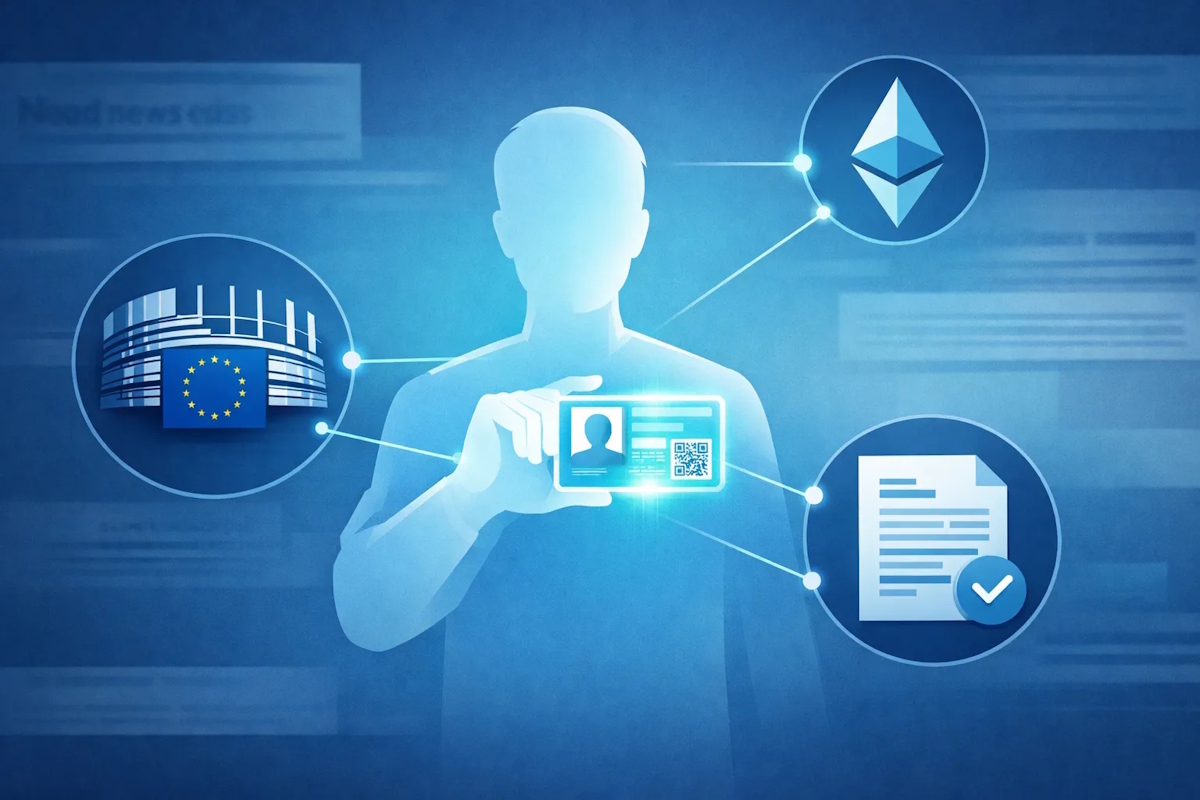
In the context of an increasingly interconnected and data-driven global economy, the question of identity management has become one of the most critical challenges facing both public and private sectors. Traditional digital identity systems, based on centralized data repositories controlled by third-party institutions, have proven to be not only inadequate but also dangerously vulnerable. These legacy systems often place control over sensitive identity information in the hands of intermediaries such as financial institutions, social networks, or governmental agencies, thereby creating single points of failure that are frequently targeted by malicious actors. The persistent rise in large-scale data breaches, identity theft, and the misuse of personal information has underscored the urgent need for a foundational rethinking of how identity is defined, issued, managed, and verified in the digital age. In response to this imperative, the emergence of Decentralized Identifiers (DIDs) and Verifiable Credentials (VCs) represents a transformative technological advancement that promises to address the shortcomings of conventional models while enabling a user-centric, privacy-preserving, and interoperable digital identity framework.
What is Decentralised Identity (DID) and why is it crucial?
Decentralized Identity (DID) introduces a model of identity that is not dependent on centralized registries, authorities, or service providers. Instead, DIDs are globally unique identifiers that are created, owned, and controlled directly by the subject of the identity, typically an individual, organization, or even a device, without the need for external administrative control. Each DID is associated with a corresponding DID Document, which contains essential metadata including public keys, authentication methods, and service endpoints. These documents can be stored on distributed ledger technologies, often blockchains, which provide immutable and transparent registries that are resistant to tampering and censorship.
The use of blockchain technology is not incidental but integral to the trust model, ensuring that DIDs remain verifiable and persistently accessible without relying on any single authority. This architecture aligns with the principles of Self-Sovereign Identity (SSI), wherein identity holders are granted full autonomy over their identifiers and associated data. Unlike centralized systems that often obscure the visibility and control users have over their personal information, DID frameworks offer an explicit technical mechanism for users to manage access, revoke permissions, and determine how their identity data is shared and used across digital ecosystems.
Verifiable Credentials: The Power of Digital Proof at Your Fingertips
Complementing the decentralized identification layer provided by DIDs are Verifiable Credentials (VCs), which function as cryptographically secure attestations of claims about a subject’s attributes, qualifications, or entitlements. VCs can encapsulate a wide range of information such as proof of age, academic degrees, professional certifications, or any attribute traditionally conveyed through physical documents. The issuance and verification of these credentials follow a standardized three-party model: an issuer (such as a university, licensing authority, or employer) creates and signs the credential using its private key; a holder (the subject of the credential) stores and manages the credential in a secure digital wallet; and a verifier (such as a recruiter, online service, or government portal) requests and validates the credential without needing to contact the original issuer. Verification is performed cryptographically using the issuer’s public key and the DID infrastructure, which eliminates the need for manual cross-checks or centralized databases. Furthermore, VCs support selective disclosure and zero-knowledge proofs, enabling the holder to prove the truth of a claim (for instance, that they are over 18) without revealing unnecessary personal data (such as the full date of birth). This capacity for granular, privacy-preserving disclosure is one of the principal innovations introduced by the VC model, significantly enhancing user privacy while maintaining high assurance levels for data integrity and authenticity.
DID and VCs in Online Business: A New Horizon of Opportunities
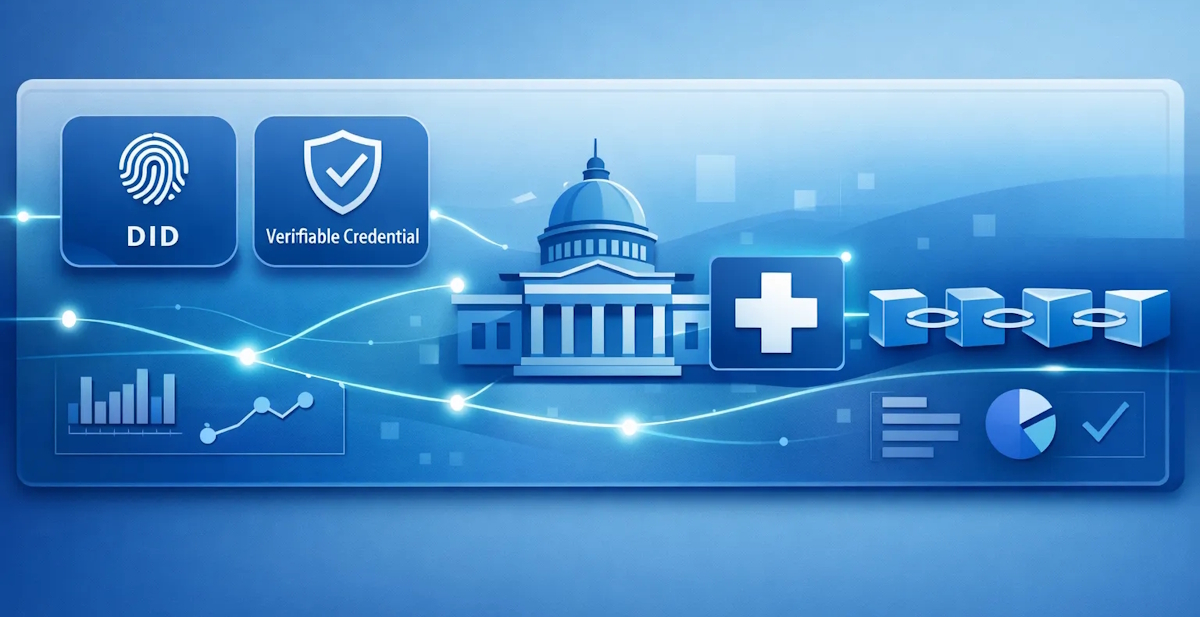
From an enterprise perspective, the adoption of decentralized identity frameworks and verifiable credential systems introduces substantial strategic advantages, particularly in the domains of user onboarding, compliance, cybersecurity, and customer relationship management. One of the most immediately impactful applications is in the optimization of Know Your Customer (KYC) and Anti-Money Laundering (AML) processes, which have traditionally been resource-intensive, duplicative, and burdensome for both institutions and end users. By leveraging VCs, a verified KYC credential issued by a financial institution can be reused by the identity holder across multiple platforms or services, eliminating the need to undergo repeated verification cycles. This reuse of credentials reduces operational costs, accelerates customer acquisition, and decreases friction in digital service delivery. Moreover, it enhances regulatory compliance by enabling auditable trails and revocable credentials that can be updated or invalidated if the status of the identity changes.
In terms of cybersecurity, the decentralization of identity information fundamentally alters the risk profile associated with data breaches. Under the traditional model, enterprises often store vast amounts of sensitive user data on centralized servers, making them high-value targets for cyberattacks. A successful breach can result in catastrophic consequences, including financial loss, reputational damage, and legal liabilities. Decentralized identity systems, by contrast, eliminate the need for centralized data storage by returning control of identity data to the users themselves. Since verifiers do not retain sensitive information and issuers sign credentials without storing them centrally, the attack surface for identity theft and unauthorized access is dramatically reduced. The cryptographic architecture also ensures that even if data transmission is intercepted, the contents cannot be manipulated or reused fraudulently, thereby significantly enhancing the overall security posture of digital services that integrate DID and VC technologies.
Beyond operational efficiencies and security improvements, decentralized identity solutions also address pressing legal and ethical concerns related to data protection, consent, and user autonomy. In the wake of stringent data privacy regulations such as the General Data Protection Regulation (GDPR) in the European Union and the California Consumer Privacy Act (CCPA) in the United States, organizations are under increasing pressure to implement mechanisms that respect user rights and minimize unnecessary data collection. DID and VC frameworks are inherently compliant with these regulatory standards because they decentralize data custody and give users granular control over their personal information. Instead of passively submitting data to centralized repositories, users actively manage consent and disclosure through verifiable and auditable transactions. This shift not only fosters greater transparency and trust between businesses and consumers but also reduces the compliance burden on enterprises by minimizing the amount of personally identifiable information they are required to store and protect.
The practical implementation of these identity technologies within web development environments is already manifesting in several key areas, particularly as enterprises begin to align their digital infrastructure with Web3 paradigms. One of the most prominent use cases is the replacement of conventional password-based authentication with decentralized login systems based on verifiable credentials. In such systems, users authenticate by presenting a credential that asserts a specific claim, such as age verification or premium membership, without the need to create and remember a username-password pair. This eliminates many of the vulnerabilities associated with password reuse, phishing attacks, and insecure credential storage. Additionally, enterprises are beginning to issue VCs for a variety of internal and customer-facing applications, including loyalty programs, digital certifications, access privileges, and product authenticity verification. These credentials not only strengthen brand engagement and service personalization but also provide a secure and interoperable mechanism for managing user entitlements across platforms.
Another high-value application lies in the verification of eligibility for restricted services. In sectors such as healthcare, education, finance, and regulated commerce, organizations often need to verify sensitive user attributes such as medical licensure, academic qualifications, or legal age. Traditional verification methods are manual, time-consuming, and invasive. VCs enable automated, instant verification of such claims without requiring access to extraneous personal information. For instance, an online marketplace selling age-restricted products could accept a verifiable credential asserting legal age status, validated by a government authority, without ever seeing the user’s birthdate. Similarly, a recruitment platform could verify educational and professional credentials with a single cryptographic check, eliminating the need for document uploads or reference calls. These applications highlight how DID and VC technologies are not merely theoretical constructs but are becoming operational tools for redefining identity verification across a wide range of digital services.