

As Europe moves toward a new digital identity paradigm, the EUDI Wallet is emerging as one of the most transformative initiatives of the decade. Designed to give citizens secure, privacy-preserving control over their personal data, this digital wallet will redefine how identities are verified, services are accessed, and trust is built online. From protecting minors to enabling cross-border transactions and reducing fraud, the EUDI Wallet is set to reshape everyday digital interactions across the European Union
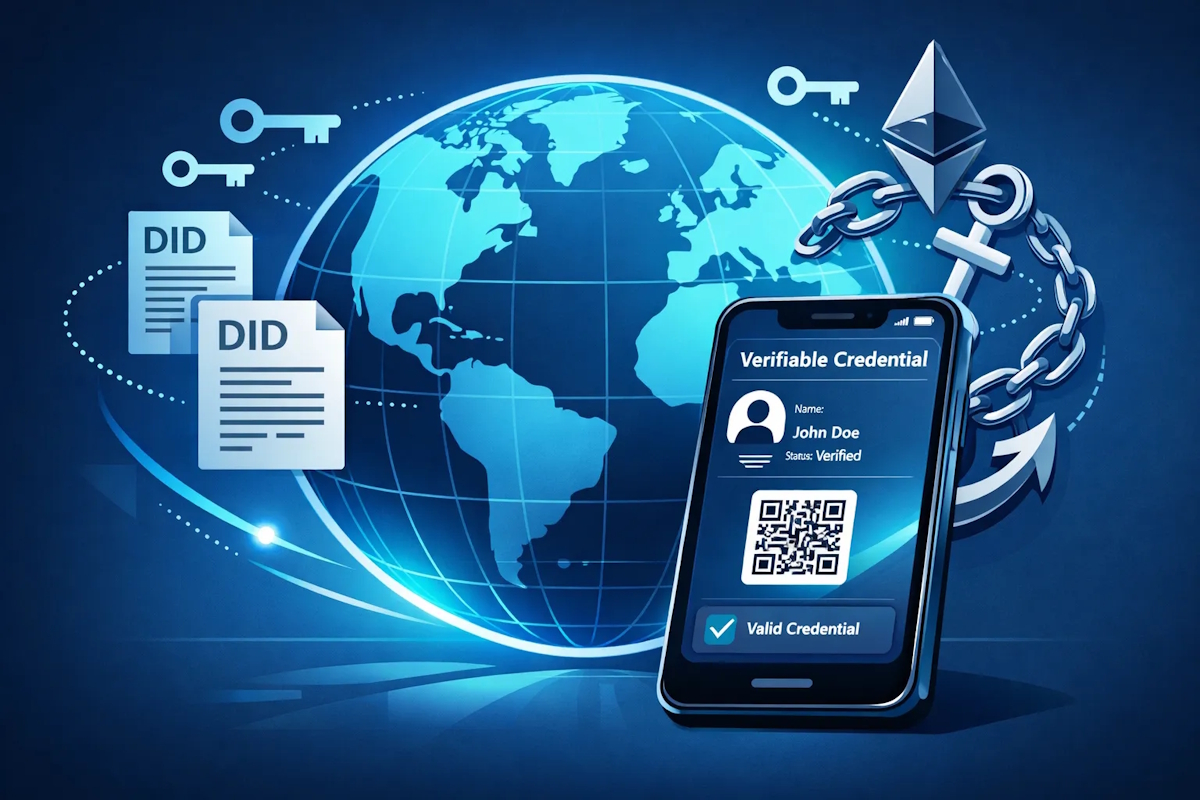
Protecting minors on the Internet is a critical issue that is gaining political momentum. Recently, the President of the Spanish Government, Pedro Sánchez, announced that Spain will implement measures to restrict access to social networks for minors under the age of 16. From a technological standpoint, this is a relatively simple step that can be implemented this year thanks to the launch of the EUDI Wallet in the European Union, which is expected to become available throughout the year in all EU member states.
The EUDI Wallet is a digital wallet, accessible via mobile phone, that will store personal data such as age and educational level. It will be used to enforce age-based access restrictions, not only for social networks but also for certain online content platforms and video games. Unlike sharing a national identity card, the EUDI Wallet will preserve the privacy of minors and all users, as it will only share the data strictly necessary for each transaction. In practice, platforms will only receive age validation, without access to other personal data such as address, date of birth, or place of residence, which are currently visible on physical identity documents.
The European Digital Identity Wallet (EUDI Wallet), created by the European Union, will be progressively rolled out to all citizens by 2026. It will simplify financial and personal procedures across national borders, protect minors online, and reduce identity fraud, as analyzed by Namirial, the leading European multinational technology company in the field of Qualified Trust Service Providers (QTSPs).
Cybercrime Under Control
One of the major challenges arising from digitalization is the growth of cybercrime, which now represents a significant share of overall criminal activity. According to data from the Ministry of the Interior, cybercrime reached 245,191 criminal offenses in the first half of the year, accounting for 20.2 percent of total crime. This represents a 3.4 percent increase compared to the same period the previous year, even as overall crime fell by 1.9 percent. Nearly ten cybercrimes are now committed per 1,000 inhabitants.
Although the data is not broken down in detail, identity impersonation is among the most common cybercrimes. With stolen personal data, cybercriminals can carry out unauthorized transactions, purchase goods or services, or apply for loans in the victim’s name. Beyond the financial impact, such activities can have severe personal consequences, forcing victims to defend themselves in court if crimes have been committed using their identity.
The EUDI Wallet will significantly reduce these risks by first verifying that data requests are legitimate and by ensuring that personal data is not stored on third-party servers, preventing it from being stolen. The wallet will only provide service providers with the essential data required to complete each transaction and will eliminate digital duplication, such as repeatedly sharing identity documents to validate operations.
In addition, all companies participating in the ecosystem will be subject to strict audits and certification processes. This model only allows data to be issued to verified and supervised entities in accordance with eIDAS 2.0, ensuring that authentication relies on trusted sources and reducing exposure to document fraud. This means that every time a company requests specific information from a citizen, it must demonstrate that it has the legal authorization and operational capacity to receive and manage those attributes.
Faster Operations and Financial Onboarding
One of the most immediate impacts of the Digital Identity Wallet will be felt in the financial sector. Accessing financial services such as account opening or loan approvals without complex procedures and with full protection through the wallet will become a reality by the end of next year. The banking sector will be the first to be required to adopt the system, in December 2026, gaining access to a potential market of 360 million citizens who will gradually begin using it. This will also create opportunities for the fintech sector, as European interoperability will facilitate the acquisition of non-resident customers and enable better use of data to personalize financial services.
Customer onboarding will become immediate, without banks needing to develop their own onboarding models. This will reduce costs as well as fraud and identification risks. The ID Wallet will act as the verifier, and customers will be able to choose which data to share with each financial institution. It is expected to act as a catalyst for consumer credit by allowing, with user consent, more efficient access to solvency or income data than is currently possible.
Verified CVs and Education Credentials
Another major transformation enabled by the EUDI Wallet is full mobile-based operation, opening new opportunities to engage younger generations, who are far less active on desktop computers. From a mobile device, users will be able to sign contracts, validate academic qualifications, authorize administrative procedures, and much more. These capabilities will promote digital inclusion by enabling any citizen, regardless of their technological skills, to manage their personal information without sacrificing confidentiality.
From a mobile device, individuals and companies will also gain seamless access across the entire European Union. The wallet is designed to enable cross-border operations and allow the legally valid signing of documents between countries, providing a new boost to the labor market and facilitating the mobility of European digital nomads.
Companies will find it much easier to verify candidates’ academic qualifications and professional backgrounds, even in international recruitment processes. The rise of fake degrees has become a growing challenge to fair labor competition, and the wallet will address this automatically using certified data.
Academic credentials, language certificates, and professional qualifications are among the attributes that can be stored in the digital wallet as verifiable credentials. Any employer will be able to confirm their authenticity when a candidate or international student applies for a position either abroad or domestically.
Greater Productivity and Security With Less Time Wasted
The use of the EUDI Wallet will not be limited to citizens. Companies will also benefit from improved accessibility and reduced administrative processing time. For small and medium-sized enterprises, routine tasks such as managing applications, handling banking contracts, signing agreements, verifying age, or checking qualifications consume significant time and resources. With the wallet, these processes will become much faster.
This also applies to cumbersome operations such as verifying the authenticity of another company’s tax information, which currently can take days. With the European Digital Identity Wallet, data will be shared automatically with the authorization of the third party, reducing personnel costs and time while relying on fully authenticated data.
Boosting the Digital Single Market
The ability to share information quickly and reliably will facilitate cross-border commercial relationships, reducing costs and resource consumption. European citizens and businesses will be able to interact within a single market, fostering cross-border relationships while simplifying user verification processes.
The European Digital Identity Wallet aims to democratize access to and use of personal identity, strengthening confidentiality and interoperability between countries.
This platform is not conceived as just another digital tool. It represents a fundamental change in how citizens and businesses interact in the digital space. Immediacy, trust, and transparency define the path toward a more agile, inclusive, and connected ecosystem.