

Identity is more than a technical or administrative concept; it is the foundation of recognition, dignity, and participation in society. Without a recognized identity, individuals can be excluded from rights, services, and legal protection. Understanding identity as a fundamental human right is essential to understanding how modern societies define inclusion, justice, and equality—both offline and in the digital world
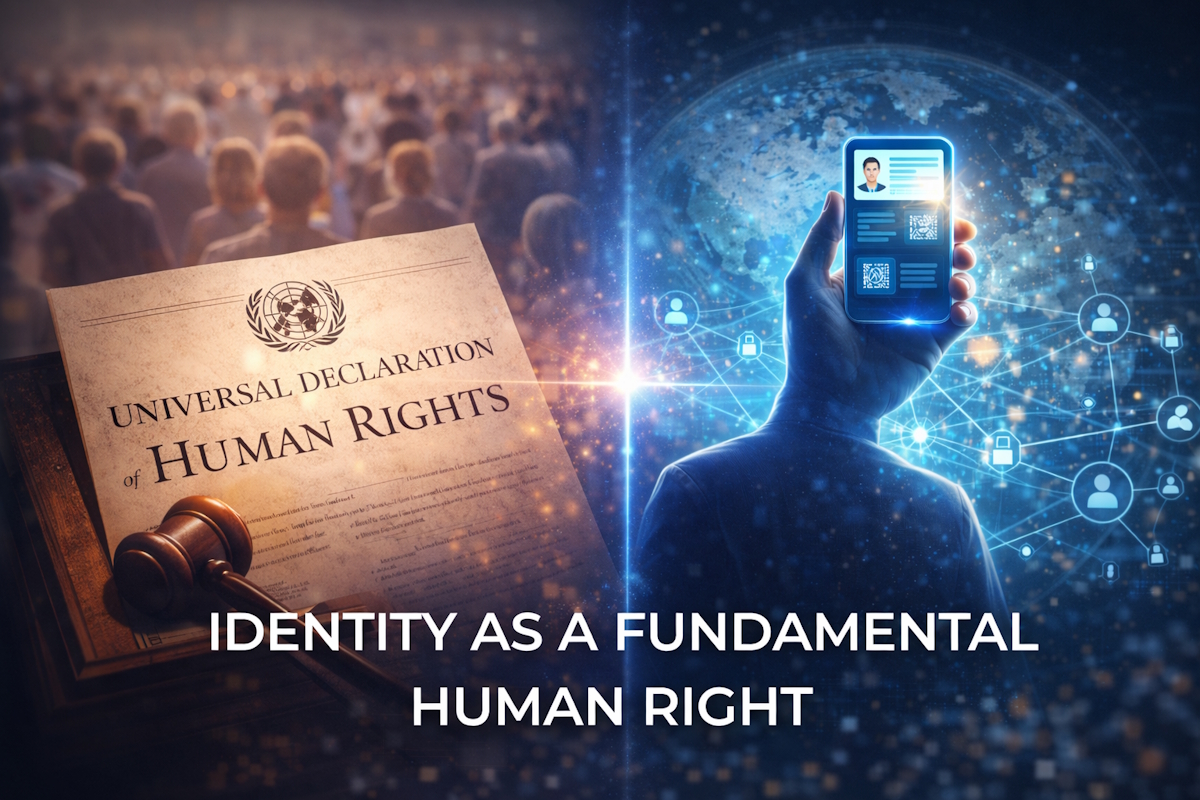
Identity is one of the most basic elements of human existence. To have an identity means to be recognized as a person, to exist in the eyes of others and institutions, and to be able to participate in social, economic, and political life. Throughout history, recognition of identity has been closely tied to the recognition of rights. Without identity, individuals are often invisible to legal systems, excluded from public services, and unable to exercise even the most basic protections. In this sense, identity is not merely an administrative tool, but a foundational condition for human dignity and agency.
From a human rights perspective, identity underpins many internationally recognized rights. The right to recognition before the law, enshrined in global human rights frameworks, affirms that every person has the right to be acknowledged as a legal subject. This recognition enables access to other rights, such as education, healthcare, work, freedom of movement, and political participation. When identity is denied, lost, or unrecognized, individuals may find themselves effectively excluded from society, regardless of their physical presence or personal capabilities.
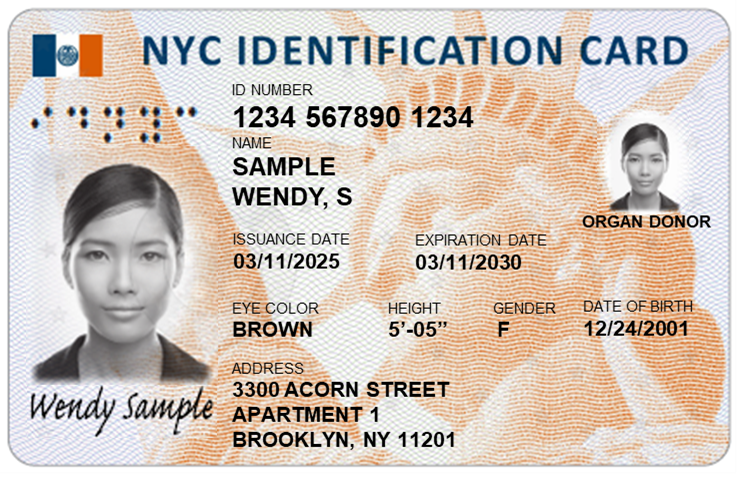
Historically, identity recognition has been mediated by states through civil registries and official documentation such as birth certificates, national identity cards, and passports. These mechanisms have played a crucial role in enabling access to rights and services. However, they have also reflected political, social, and economic inequalities. Marginalized populations, refugees, stateless persons, and people living in extreme poverty have often faced barriers to obtaining or maintaining official identity documents. In these cases, the absence of identity is not a personal failure, but a systemic one with profound human consequences.
A practical example illustrates this reality. Consider a child whose birth is never officially registered. Without a birth certificate, that child may be unable to enroll in school, receive vaccinations, or later obtain legal employment. As an adult, the lack of recognized identity can prevent access to banking, housing, or the ability to vote. This chain of exclusion shows how identity functions as a gateway right, enabling or blocking access to a wide range of social and economic opportunities. In this context, identity is not simply a record; it is a prerequisite for full participation in society.
A whole new way of showing who you are
In the digital age, the importance of identity as a human right has taken on new dimensions. As more services move online, digital identity increasingly determines access to essential resources. Applying for social benefits, accessing healthcare records, communicating with public authorities, or participating in economic life often requires some form of digital identification. If digital identity systems are poorly designed, inaccessible, or overly restrictive, they risk reproducing or amplifying existing inequalities in digital form.
At the same time, digital identity systems raise new human rights concerns related to privacy, autonomy, and consent. When identity data is collected, stored, and processed by centralized systems, individuals may lose control over how their personal information is used. Excessive data collection, lack of transparency, and surveillance practices can undermine the right to privacy and erode trust between individuals and institutions. A system designed to recognize identity can, if misused, become a tool for monitoring, profiling, or discrimination.
Recognizing identity as a fundamental human right therefore requires more than ensuring that identity exists. It requires that identity systems are designed to respect human dignity, protect personal autonomy, and minimize harm. This includes ensuring proportionality, so that individuals are not forced to reveal more information than necessary, and accountability, so that abuses of identity systems can be challenged and corrected. It also implies inclusivity, ensuring that identity systems do not exclude people based on geography, socioeconomic status, or technical literacy.
Emerging identity models, particularly those emphasizing user control and privacy by design, reflect a growing awareness of these issues. While technology alone cannot guarantee human rights, it can support or undermine them depending on how it is implemented. Identity systems that empower individuals, reduce unnecessary data exposure, and operate within transparent legal frameworks are better aligned with the principle that identity exists to serve people, not the other way around.
In summary, identity is a fundamental human right because it enables recognition, participation, and access to other rights. In both physical and digital contexts, the absence or misuse of identity systems can lead to exclusion, vulnerability, and loss of dignity. As societies continue to digitize, ensuring that identity systems respect and reinforce human rights is not optional but essential. Understanding identity through this lens helps shift the focus from efficiency and control toward dignity, inclusion, and justice in an increasingly digital world.