

In the evolving landscape of digital transformation, Europe's ambition to achieve true digital sovereignty faces a critical, often underestimated obstacle: the control of digital identities and access. While cloud infrastructure and data localization dominate the public debate, the real battleground lies deeper within the architecture of IT systems. Identity and Access Management (IAM) has become a strategic blind spot and addressing it is essential for the continent's technological independence
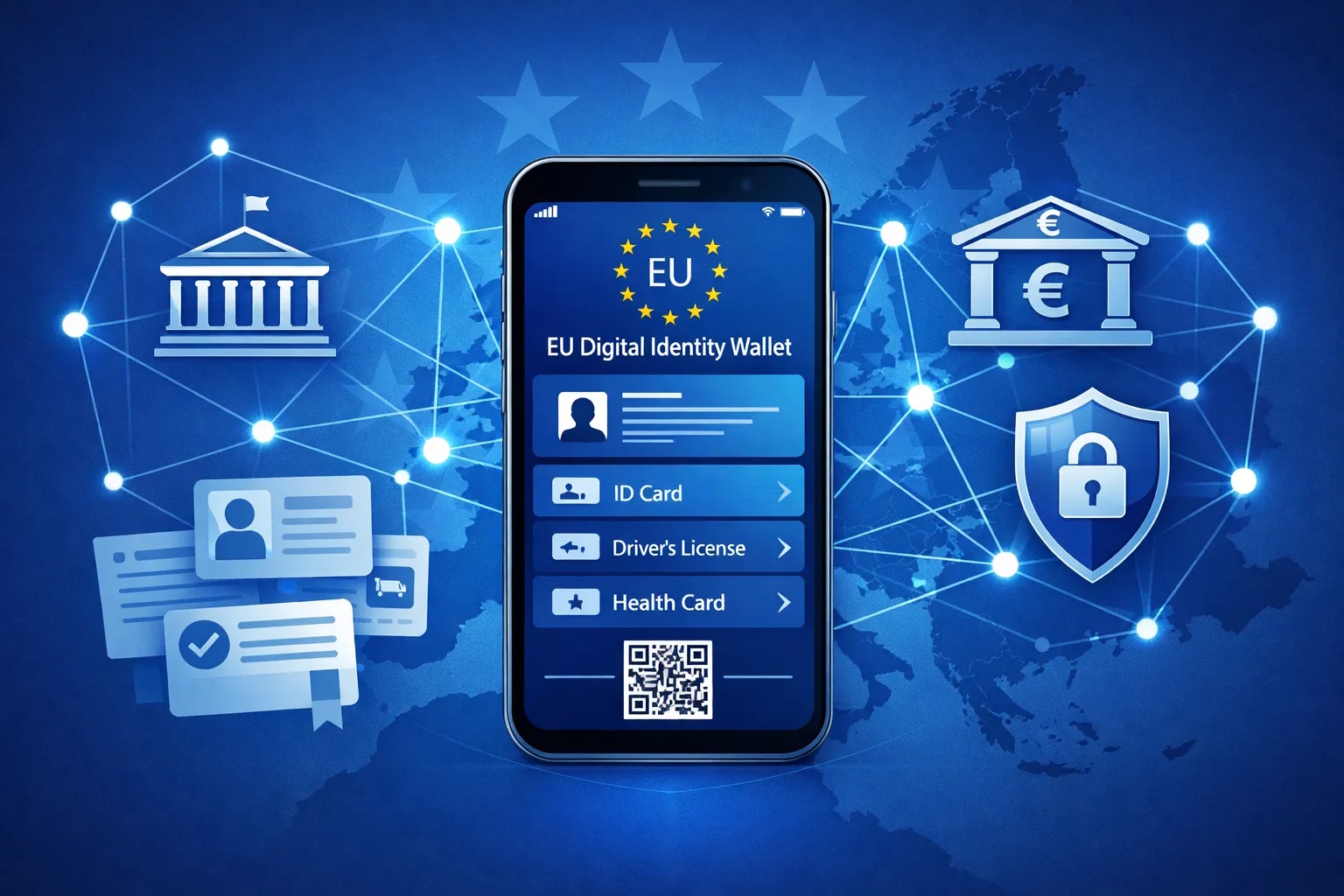
The quest for European digital sovereignty has emerged as a cornerstone of strategic discourse across political, industrial, and technological domains. While significant attention has been directed toward infrastructure-related issues such as trusted cloud services, localized data hosting, regulatory compliance, and data reversibility, a less visible but equally fundamental layer remains insufficiently addressed: the control of digital identities and access. Identity and Access Management (IAM), despite its central role in shaping the architecture, security, and interoperability of digital systems, continues to be overwhelmingly dominated by proprietary solutions developed and operated by non-European entities, most notably American technology giants. This structural dependence poses a latent but profound threat to the integrity and autonomy of Europe’s digital ecosystems.
IAM systems serve as the backbone of modern IT environments, enabling authentication, authorization, user provisioning, and auditability across an increasingly fragmented and hybridized digital landscape. From employee logins and customer access portals to machine identities and application-level security policies, IAM technologies underpin the foundational trust relationships that govern the digital interactions of both public and private sector organizations. As such, the sovereignty of digital identity management is not a peripheral concern but rather a defining element of any coherent digital sovereignty strategy. Without native and sovereign control over identity governance, the broader goals of infrastructural independence and data autonomy are fundamentally compromised.
One of the primary impediments to achieving IAM sovereignty lies in the entrenchment of Microsoft Active Directory and its cloud-based extensions such as Azure Active Directory, which constitute the default directory infrastructure for the vast majority of large enterprises and governmental bodies across Europe. This technological hegemony has been reinforced over decades, transforming Microsoft’s solutions into de facto standards that are deeply embedded within enterprise architectures. The extent of this dependency creates a structural lock-in that is difficult to overcome, not only because of the complexity and ubiquity of the directory services but also due to the functional interdependencies that connect them with workplace systems, enterprise applications, security layers, and collaborative platforms. Any attempt to displace or even partially substitute these systems requires a high degree of technical coordination, resource investment, and change management, making the transition toward sovereign alternatives a non-trivial endeavor.
In response to this challenge, European actors have begun to develop and operationalize alternatives that align with the principles of technological sovereignty and open-source transparency. The strategic partnership between Smile, a leading French open-source integrator, and Univention, a German provider of sovereign IT infrastructure solutions, exemplifies a structured and forward-looking approach to IAM sovereignty. Univention brings to the table robust, mature technologies such as Univention Corporate Server (UCS) and Nubus, both of which have seen substantial deployment in Germany’s public sector and other sensitive environments. These platforms enable centralized identity management, directory services, and policy enforcement while adhering to open standards and being fully auditable by European stakeholders.
Smile complements Univention’s technological capabilities with its capacity for industrial-scale deployment, lifecycle management, and long-term support in complex, multilingual environments. Its experience in managing large-scale integration projects within heterogeneous IT infrastructures makes it an indispensable partner in advancing a viable and scalable European IAM stack. The combined offering goes beyond a mere technological toolkit; it constitutes a strategic response to the growing demand for digital autonomy across sectors where the integrity, confidentiality, and sovereignty of digital identities are critical to operational resilience and legal compliance.
However, it must be acknowledged that sovereign IAM alternatives are not currently positioned to replace entrenched solutions such as Active Directory in a wholesale or immediate manner. A realistic deployment model acknowledges the persistence of hybrid environments, wherein sovereign IAM solutions are introduced incrementally, often within greenfield projects, isolated business domains, or cloud-native architectures that offer greater flexibility for innovation. Such a phased approach is consistent with the principles of operational continuity and minimizes the risks associated with abrupt technological transitions. Over time, these parallel implementations can evolve into broader frameworks for progressive substitution or co-governance, thereby facilitating a sustainable path toward autonomy without imposing disruptive shocks on existing systems.
Beyond the technical dimensions, the evolution of IAM sovereignty reflects a deeper shift in the understanding of what constitutes strategic digital infrastructure. As geopolitical tensions intensify and regulatory environments become increasingly stringent—especially with frameworks such as the EU Cybersecurity Act, GDPR, and NIS2—there is a growing recognition that critical digital dependencies must be scrutinized not only for their operational reliability but also for their alignment with European values, laws, and long-term interests. IAM, as a gatekeeping layer that controls access to data, systems, and digital assets, occupies a pivotal role in this strategic reorientation. Its compromise would not merely be a technical incident; it would constitute a breach in the very foundations of digital trust, sovereignty, and governance.